Considering a Reverse Mortgage? Start here.
Help and guidance for homeowners and families exploring a reverse mortgage.
How reverse mortgages work over time
Benefits, costs, and important trade-offs
What this could mean for your family
Popular Resources
How reverse mortgages work
A clear, plain-language overview of how reverse mortgages are structured, how the loan changes over time, and how repayment typically works. Created to help you understand the basics before looking at numbers or next steps.
Myths and Facts
Reverse mortgages are often misunderstood. Much of what people hear comes from outdated rules, headlines, or second-hand stories. Here are some of the most common myths, paired with plain-language facts, so families can understand how reverse mortgages actually work today.
Reverse Mortgage Myths and Facts
Reverse mortgages are often misunderstood. Much of what people hear comes from outdated rules, headlines, or second-hand stories. Here are some of the most common myths, paired with plain-language facts, so families can understand how reverse mortgages actually work today.
Get Pre Approved
Mauris blandit aliquet elit, eget tincidunt nibh pulvinar a. Vestibulum ante ipsum primis in faucibus orci luctus et ultrices posuere cubilia Curae; Donec velit neque, auctor sit amet aliquam vel, ullamcorper sit amet ligula. Donec sollicitudin molestie malesuada. Cras ultricies ligula sed magna dictum porta. Nulla quis lorem ut libero males
Unlock financial peace of mind
Let your home equity give you the freedom to do what matters most.
What is a reverse mortgage?
A reverse mortgage is a home loan designed for homeowners age 55 and older that lets you turn part of your home’s value into money you can use, without having to move or make monthly mortgage payments.
Will I still own my home?
Yes. You remain the owner of your home, just as you would with a traditional mortgage. As long as you continue to live in the home and meet the ongoing obligations, the home stays in your name.
Can I lose my home?
You cannot lose your home simply because the loan balance grows. However, homeowners must continue to pay property taxes, keep insurance in place, and maintain the home. Failing to meet these obligations can create issues, which is why understanding them upfront matters.
How does this affect inheritance?
A reverse mortgage does reduce home equity over time as interest and fees are added to the loan balance. When the home is eventually sold, the loan is repaid first, and any remaining equity typically goes to the estate. Many families review this together before deciding.

At 75, Nicole felt she had done everything right, but much of her wealth was tied up in her home, and she was still managing a mortgage.
After exploring her options, she chose a reverse mortgage so she could visit her children and grandchildren who live abroad, and begin planning a long-held dream of travelling to Europe.
Today, Nicole describes feeling more secure and at ease, knowing she has the flexibility to enjoy her life and stay connected to her family.

Barbara, 68, wanted to help her daughter feel confident buying her first home. Even after years of saving, her daughter and fiancé still felt unsure about entering the housing market.
After learning about her options, Barbara chose to use part of her home equity to support her family while continuing to live comfortably in her own home.
Later, when her husband required full-time care, having access to that equity gave Barbara flexibility and peace of mind. It allowed her to focus on her family during a difficult time, without worrying about monthly payments or disrupting her income.

After retiring following more than 50 years of work, Bernie wanted to enjoy a slower pace of life, but ongoing mortgage and debt payments were creating stress.
By using a reverse mortgage to pay off his mortgage and other debts, Bernie freed up his cash flow and was able to focus on the things that matter most to him.
Today, he spends his time woodworking with his son, building guitars, and enjoying his home without the pressure of monthly payments.
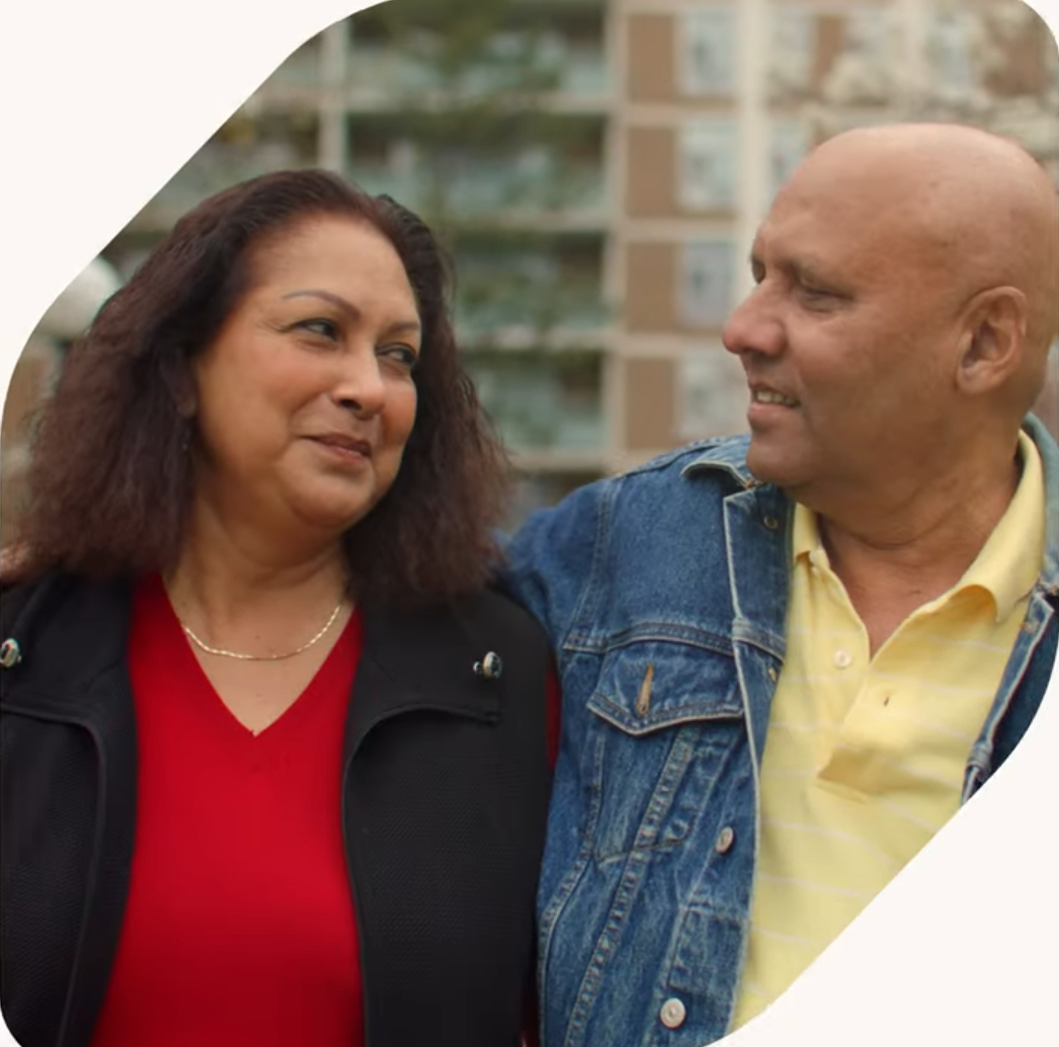
In retirement, Wazir found it increasingly difficult to keep up with monthly bills on a fixed income. At one point, he worried that selling his home might be his only option.
After learning about reverse mortgages, Wazir and his wife chose to use their home equity to reduce financial pressure and stay in the home they love.
Today, Wazir describes feeling more at ease, with greater stability and peace of mind as he enjoys retirement with his wife.
What You Get
Pellentesque id elit tempus.
Semper nibh quis, dictum neque.
Donec aliquet sodales risus.
Pretium ligula placerat sit amet.
In eu bibendum nisi.
Curabitur mattis augue sed.
Lacus purus finibus elit.